Welcome to our second edition of “meet the policy team” here at the Equity in Education Center. Each week we’ll feature one of the key people who is helping move EEC’s equity agenda forward. Our team is made up of an amazing group of folks, all of whom bring a different frame to the work and all of whom are committed to improving the lives and experience of Washington’s students and their families and caregivers.
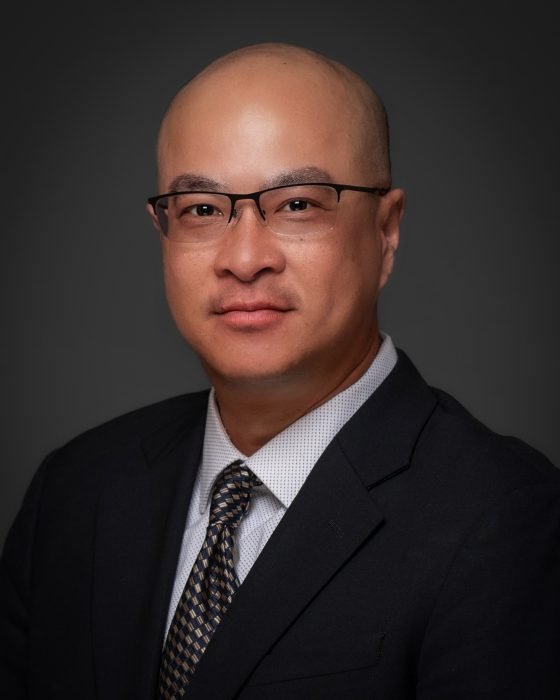
What excites/interests you in legislative and policy work?
What excites me most about legislative and policy work is the opportunity to advocate for systemic changes that directly impact justice-impacted individuals. Having walked that path myself, I understand the barriers they face, particularly in reentry and workforce development. I’m passionate about creating policies that address these challenges holistically—starting while individuals are still incarcerated—so they can emerge with the tools and opportunities needed to thrive. This work is deeply personal to me, and I’m driven by the belief that everyone deserves a chance to become the best version of themselves.
How did you get your start in legislative/policy work?
My start in legislative and policy work grew out of my direct experience as a justice-impacted individual and my subsequent work in broadband training and digital equity for this community. Recognizing the systemic gaps in reentry and workforce development, I felt compelled to advocate for change. I was fortunate to be mentored by colleagues who saw my potential and gave me opportunities to grow in this work. Their guidance, combined with my lived experience, has shaped my commitment to creating policies that empower justice-impacted individuals to rebuild their lives.
What have you learned?
I’ve seen how personal stories and lived experiences can humanize policy issues.
Through my advocacy work, I’ve learned that sustainable change requires addressing root causes, not just symptoms. For justice-impacted individuals, this means advocating for programs that begin during incarceration, such as education, vocational training, and mental health support. I’ve also learned the importance of building coalitions—bringing together policymakers, community organizations, and directly impacted individuals to create solutions that are both practical and impactful. Most importantly, I’ve seen how personal stories and lived experiences can humanize policy issues and drive meaningful change.
Is there a particular bill or set of bills/issues you are working on this session?
This session, I’m focused on advancing policies that support reentry, workforce development, and family reunification for justice-impacted individuals. Specifically, I’m advocating for bills that expand access to education and vocational training programs within correctional facilities and policies that remove barriers to employment and housing post-release. Additionally, I’m working on legislation allowing post-conviction parents to volunteer in their children’s schools, helping rebuild family bonds and support educational engagement. I’m also passionate about restoring voting rights for incarcerated individuals, as I believe civic participation is a critical step toward rehabilitation and reintegration. These efforts are rooted in the belief that change starts on the inside, and by equipping individuals with the tools they need before they reenter society, we can break the cycle of recidivism and create pathways to success.
What advice do you have for advocates/community members about how to make change in their communities?
My advice to advocates and community members is to center the voices of those directly impacted by the issues you’re addressing. Lived experience is a powerful tool for change, and it’s essential to ensure that these perspectives are included in policy discussions. Start by building relationships with stakeholders—policymakers, community leaders, and organizations—and use data and personal stories to make your case. Be persistent and patient; change often takes time, but every step forward matters. For example, in my work on voting rights and parental involvement in schools, I’ve seen how small policy changes can have a profound impact on individuals and families. Finally, remember that change starts within each of us. By lifting each other up and offering a hand, we can create a more just and equitable society.