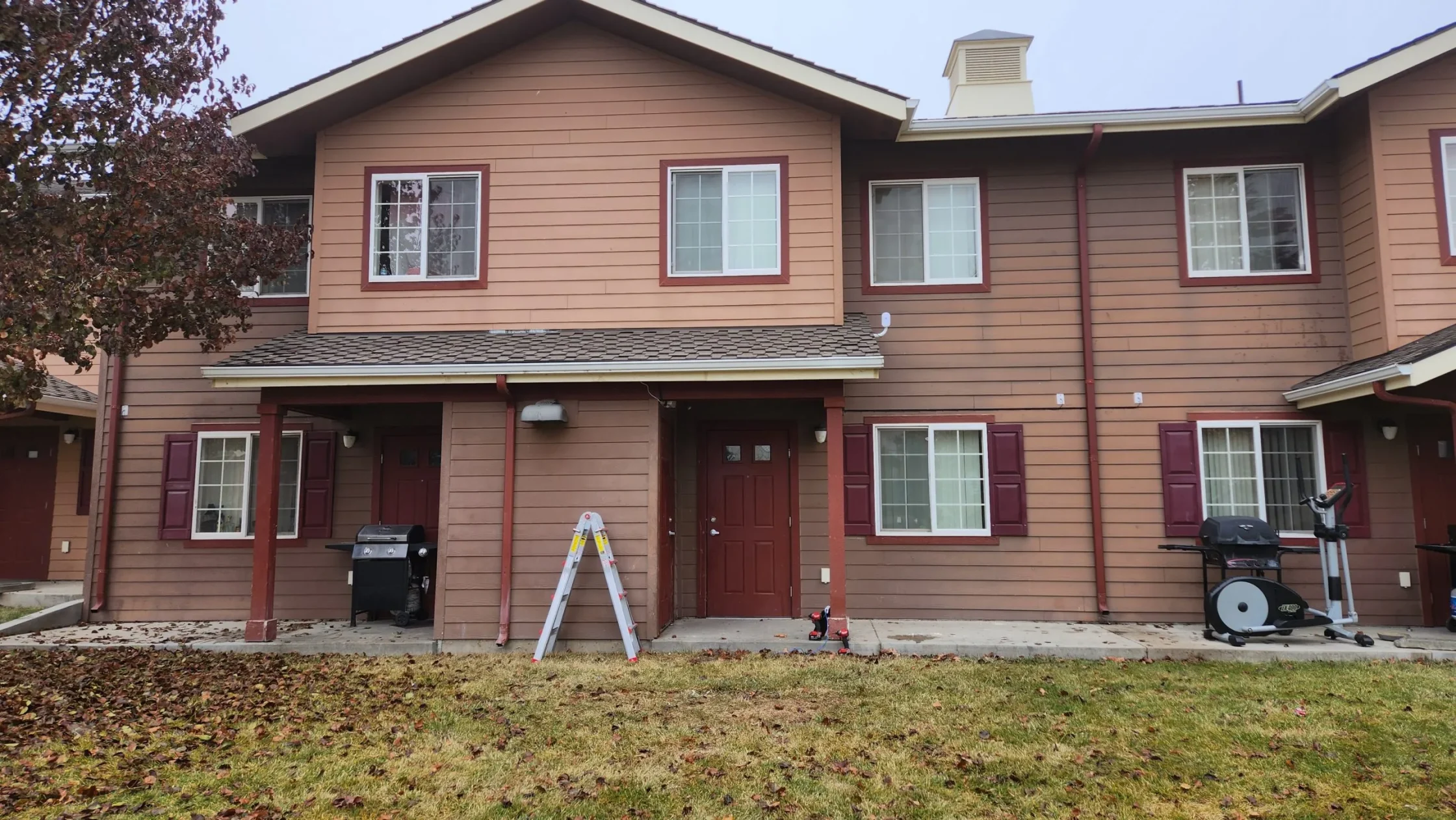
Stable housing is not just a fundamental human need—it’s the bedrock for healthy early childhood development. In Washington state, where housing affordability remains a growing challenge, innovative programs like the Child Welfare Housing Assistance Program (CWHP) highlight how stable housing can support families and promote children’s well-being.
Why Stable Housing Matters for Young Children
Research demonstrates that housing instability—frequent moves, overcrowding, or homelessness—poses serious risks to young children’s health and development.
- Health Impacts: Housing instability is associated with higher rates of chronic illnesses like asthma, poor nutrition, and developmental delays (Children’s HealthWatch, 2021).
- Emotional Well-Being: Unstable housing environments increase the risk of anxiety, depression, and toxic stress, which can hinder social-emotional development (National Low Income Housing Coalition [NLIHC], 2022).
- Cognitive Growth: Frequent disruptions can negatively impact a child’s ability to focus and learn, impairing their academic and problem-solving skills in the long run (Sandstrom & Huerta, 2013).
Early childhood is a critical period for brain development, and safe, stable environments are essential for nurturing this growth. Housing stability provides children with the consistency they need to thrive, while also alleviating parental stress, leading to healthier family dynamics.
Washington State Housing Statistics
- Family Homelessness: The 2023 Annual Homeless Assessment Report found that over 12,000 families with children experienced homelessness in Washington State (And this is just of instances they know of) in the past year (U.S. Department of Housing and Urban Development [HUD], 2023).
- Rural Challenges: In areas like Moses Lake and Wenatchee, where housing options are limited, families face unique challenges in securing affordable, quality homes (WA Office of Rural and Farmworker Housing, 2022).
Washington’s Response: The Child Welfare Housing Assistance Program (CWHP)
Recognizing the crucial link between housing and child welfare, Washington State launched CWHP in 2020. The program provides housing vouchers, rental assistance, and case management services to families involved in the child welfare system. Here are some of its notable impacts:
- Reunification Success: Families in the program experienced faster reunifications, reducing the time children spent in out-of-home care (WA DCYF, 2022).
- Expansion: Initially piloted in a few counties, CWHP has since expanded, addressing housing barriers in urban and rural communities alike.
- Family-Centered Outcomes: Parents have reported reduced stress, improved relationships with their children, and enhanced stability overall (WA DCYF, 2022).
The Broader Call to Action
Programs like the Child Welfare Housing Assistance Program(CWHP) have made significant progress, but there is still much to be done. Advocacy for increased funding, robust rental assistance programs, and the development of affordable housing is crucial to ensuring every child has access to a stable home environment. Current legislation(HB 1217) aimed at improving housing stability in Washington has the full support of the Equity in Education Center (EEC). We recognize these measures as vital not only for benefiting low-income households but also for addressing challenges such as unexpected rent increases.
Additionally, addressing systemic inequities—such as income disparities and racial discrimination in housing markets—will be key to creating long-term solutions. Ensuring stable housing is not just a matter of policy; it’s an investment in the future of our children and communities, ultimately contributing to a stronger and more equitable community.
Stable housing is more than a roof over a family’s head—it’s a foundation for a child’s health, learning, and future. By prioritizing housing stability, we can break cycles of poverty and provide Washington State’s youngest residents with the opportunities they deserve to grow, learn, and thrive. It’s time to act, invest, and commit to building stronger, healthier communities where every child has the chance to succeed.
References
Children’s HealthWatch. (2021). The impact of housing instability on child health and development. Retrieved from Policy Focus – Children’s HealthWatch
National Low Income Housing Coalition. (2022). Housing stability and child well-being. Retrieved from https://nlihc.org
Sandstrom, H., & Huerta, S. (2013). The negative effects of instability on child development: A research synthesis. Urban Institute. Retrieved from https://urban.org
U.S. Department of Housing and Urban Development. (2023). 2023 Annual Homeless Assessment Report. Retrieved from https://hud.gov
WA DCYF. (2022). Child Welfare Housing Assistance Program: Annual report. Retrieved from Child Welfare Housing Program (CWHP) | Washington State Department of Children, Youth, and Families
WA Office of Rural and Farmworker Housing. (2022). Housing barriers for rural families. Retrieved from Office of Rural and Farmworker Housing